

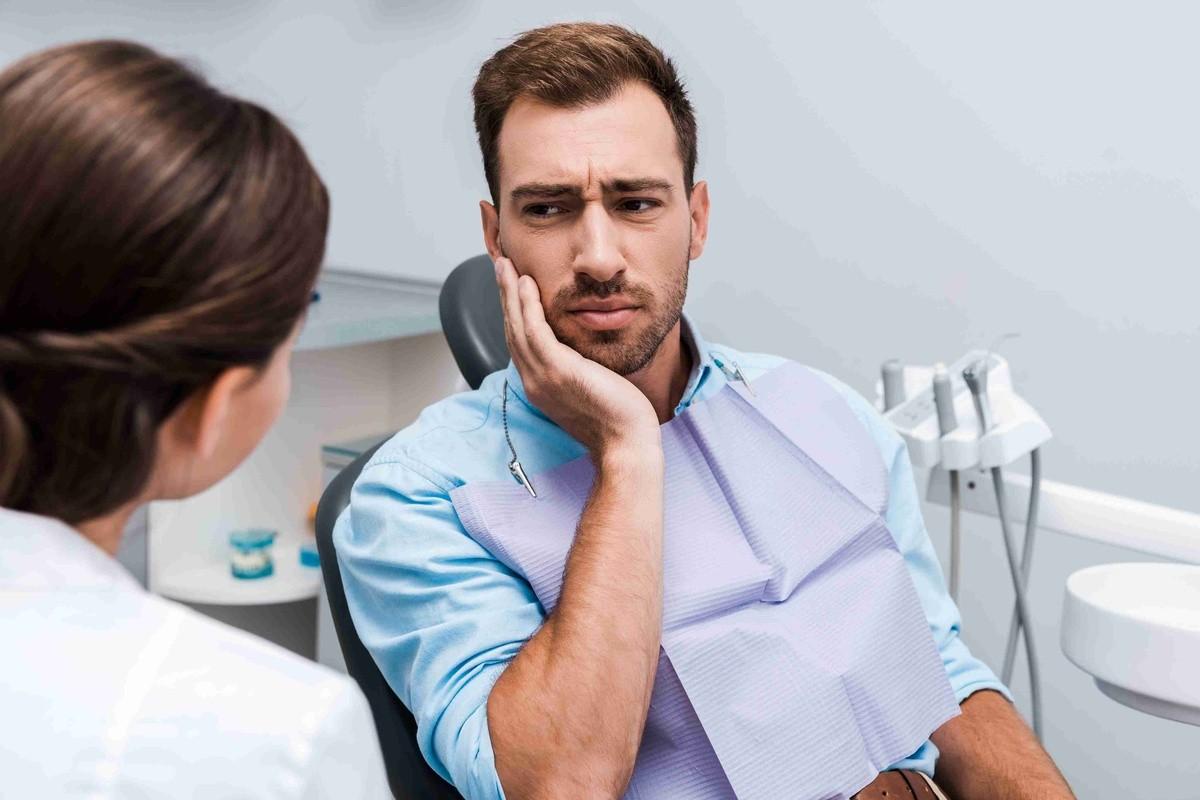
An emergency dentist in Acworth, GA should evaluate severe tooth pain, swelling, broken teeth, knocked-out teeth, dental trauma, uncontrolled bleeding, fever, pus, or signs of infection. Patients in Acworth should seek urgent dental care when symptoms are intense, spreading, or affecting chewing, sleep, or daily function. Emergency dental visits focus on finding the cause first, then explaining treatment options such as repair, restoration, root canal evaluation, extraction, medication guidance, or follow-up care.
Dental pain can change plans quickly. A tooth may start throbbing during the workday; a crown may come loose while eating, or swelling may appear near the gum without warning. In Acworth, GA, patients often need to know whether the problem can wait or should be checked as soon as possible.
An emergency dentist in Acworth, GA may be needed when pain is severe; swelling is present, bleeding will not stop, a tooth breaks, or trauma affects the mouth. Waiting is not always safe, especially if infection signs appear. The purpose of an emergency dental visit is to identify the cause, reduce risk, and explain what care may be needed next. Not every urgent visit led to the same treatment, so diagnosis comes first.
Symptoms That Need Prompt Dental Attention
Certain symptoms should be taken seriously. Severe tooth pain, facial swelling, gum swelling, fever, pus, bad taste, broken teeth, lost restorations, dental trauma, or uncontrolled bleeding should be checked promptly.
Pain that wakes you at night or makes chewing difficult may suggest deeper tooth involvement. Swelling may point to infection or inflammation that needs attention.
If swelling affects breathing, swallowing, or spreading quickly, emergency medical care may be needed. Dental infections can become more serious when they move beyond the tooth.
Toothaches Can Have Different Causes
A toothache may come from deep decay, a cracked tooth, gum disease, loose filling, bite pressure, infection, or trauma. The pain pattern may help the dentist understand what is happening.
Sharp pain with cold may point in one direction. Pain when biting may suggest a crack or bite issue. Throbbing pain with swelling may suggest infection.
A dentist at Acworth, GA may examine the teeth, gums, bites, and nearby teeth. X-rays may be recommended to check for deep decay, infection around roots, fractures, or bone changes.
When Root Canal Evaluation May Be Needed
If the nerve inside a tooth becomes inflamed or infected, root canal treatment may be discussed. This can happen because of deep decay, cracks, trauma, or repeated dental work.
A patient who has heard about root canal Marietta, GA treatment may wonder whether severe pain always means a root canal. Not always. The dentist must first test the tooth and review X-rays before recommending care.
If root canal treatment is appropriate, the goal may be to treat the infected or inflamed tissue inside the tooth and help preserve the tooth when it can still be restored.
Broken Teeth and Lost Dental Work
A broken tooth can expose sensitive inner layers or create sharp edges that cut the tongue or cheek. A lost filling or crown may leave the tooth vulnerable to sensitivity, decay, or further breakage.
Patients should save broken pieces, crowns, or fillings if possible and bring them to the appointment. Avoid chewing on the affected side until the tooth is evaluated.
During emergency evaluation with Kenmar Dental, the dentist may determine whether the tooth needs smoothing, bonding, filling, a crown, root canal evaluation, extraction, or another treatment plan.
Swelling and Infection Signs Should Not Wait
Swelling near a tooth or gum can signal infection. Other warning signs include fever, bad taste, pus, tenderness, pressure, or a pimple-like bump on the gum.
Dental infections may not be resolved fully with home care. Pain may decrease at times, but the source can remain.
Prompt evaluation helps determine whether the infection is related to the tooth, gums, trauma, or another cause. The dentist can then discuss treatment options and whether medication guidance is needed.
Dental Trauma and Knocked-Out Teeth
Mouth injuries can happen during falls, sports, accidents, or biting hard foods. A tooth may chip, crack, loosen, shift position, or come out.
A knocked-out permanent tooth should be handled by the crown, not the root, and dental care should be sought quickly. If possible, keep the tooth moist according to dental emergency guidance. Do not scrub the roots.
A loose or displaced adult tooth should also be checked promptly. Even if pain is mild, trauma can affect the root, nerve, or surrounding bone.
What to Do Before the Appointment
While arranging care, rinse gently with water if the mouth has debris. A cold compress may help with swelling after injury. Avoid chewing on the painful side.
Do not place aspirin directly on the tooth or gums because it can irritate tissue. Patients should follow safe medication directions from a medical or dental professional if pain relief is needed.
These steps are temporary. They do not replace diagnosis, especially when pain, swelling, trauma, or infection signs are present.
How Emergency Treatment Is Decided
Emergency treatment depends on the cause. A cavity may need a filling or crown. An infected tooth may need root canal evaluation or extraction. A broken tooth may need repair or protection. Gum infection may need a different approach.
The dentist may first focus on stabilizing the situation and reducing risk. In some cases, definitive treatment can happen quickly. In others, follow-up visits may be needed.
Patients who normally see a dentist in Kennesaw, GA or another nearby provider should still seek timely care if symptoms are severe. Urgent symptoms should not be delayed because of location preference.
What Emergency Dental Care May Address
Emergency dental care may help with:
- Severe toothaches
- Broken teeth
- Lost fillings or crowns
- Swelling or abscess signs
- Dental trauma
- Knocked-out permanent teeth
- Uncontrolled bleeding
- Pain while chewing
- Cracked teeth
- Infection symptoms
- Soft tissue injuries
- Sudden bite changes
- The treatment plan should match the diagnosis and the patient’s overall oral health.
What to Expect During an Emergency Visit
The appointment may begin with questions about symptoms, timing, injury, swelling, fever, and past dental treatment. Patients should share medical conditions, medications, allergies, and any recent changes in health.
The dentist may examine the painful area, nearby teeth, gums, bites, and soft tissues. X-rays may be recommended when the problem is not visible, or deeper infection is suspected.
Before leaving, patients should understand what was found, what treatment is recommended, and what signs require follow-up. Emergency care should provide direction, not confusion.
Local Patient Review
“My tooth pain became strong very suddenly, and I was worried it might be infected. The visit helped explain the cause and what treatment options made sense.”
Fast Evaluation Can Protect Oral Health
Severe dental symptoms should be checked so the cause can be found, and the next step can be explained clearly. For patients in Acworth, GA, Kenmar Dental can evaluate urgent tooth pain, swelling, broken teeth, and dental trauma with care based on diagnosis and oral health needs.
Frequently Asked Questions
When should I call an emergency dentist in Acworth, GA?
Call for severe tooth pain, swelling, broken teeth, knocked-out teeth, uncontrolled bleeding, fever, pus, trauma, or signs of infection.
Can a toothache go away on its own?
Some pain may fade, but the cause may still remain. Lingering, severe, or recurring tooth pain should be checked by a dentist.
Is facial swelling a dental emergency?
Swelling can signal infection and should be evaluated promptly. If breathing or swallowing is affected, seek emergency medical care.
What should I do if a crown falls off?
Save the crown and avoid chewing on that side. A dentist can check the tooth and decide whether it can be recemented or needs further care.
Does severe pain always mean a root canal?
No, severe pain has several possible causes. The dentist must examine the tooth and may use X-rays or testing before recommending treatment.
What if I break a tooth but it does not hurt?
A broken tooth should still be checked. Deeper layers may be exposed, and symptoms can develop later.
How fast should I act after a knocked-out tooth?
Seek dental care quickly for a knocked-out permanent tooth. Handle it with the crown and avoid touching or scrubbing the root.
Will emergency dental care fix the problem the same day?
Sometimes, but not always. The dentist may treat, stabilize, prescribe when appropriate, or plan follow-up based on the diagnosis.