

3D printing supports same-day dental treatment by turning digital scans into physical items in the office, such as models and other custom pieces. The scan guides the design, and the printer builds the item while the patient is still at the appointment.
This digital workflow shortens the wait between planning and treatment. Kenmar Dental in Marietta, Georgia, lists 3D printing among its technology, and this guide explains how the process works and what patients can expect from the first scan to the follow-up visit.
3D Printing Builds Dental Items From Digital Designs
A dental 3D printer builds an object one thin layer at a time from a digital file. The file comes from a scan of the patient’s mouth, so the finished piece follows the shape of the teeth and gums, which helps it fit well.
Printing sits alongside other in-office tools, including digital scanners and milling units for crowns. Each tool suits certain items, and the plan matches the tool to the treatment so that every step stays accurate and efficient.
Same Day Treatment Follows a Digital Workflow
A same-day visit moves through connected steps, from the first scan to the final fit, and each step is explained to the patient, so the process stays clear from start to finish.
- A personalized consultation reviews concerns and whether same-day care fits.
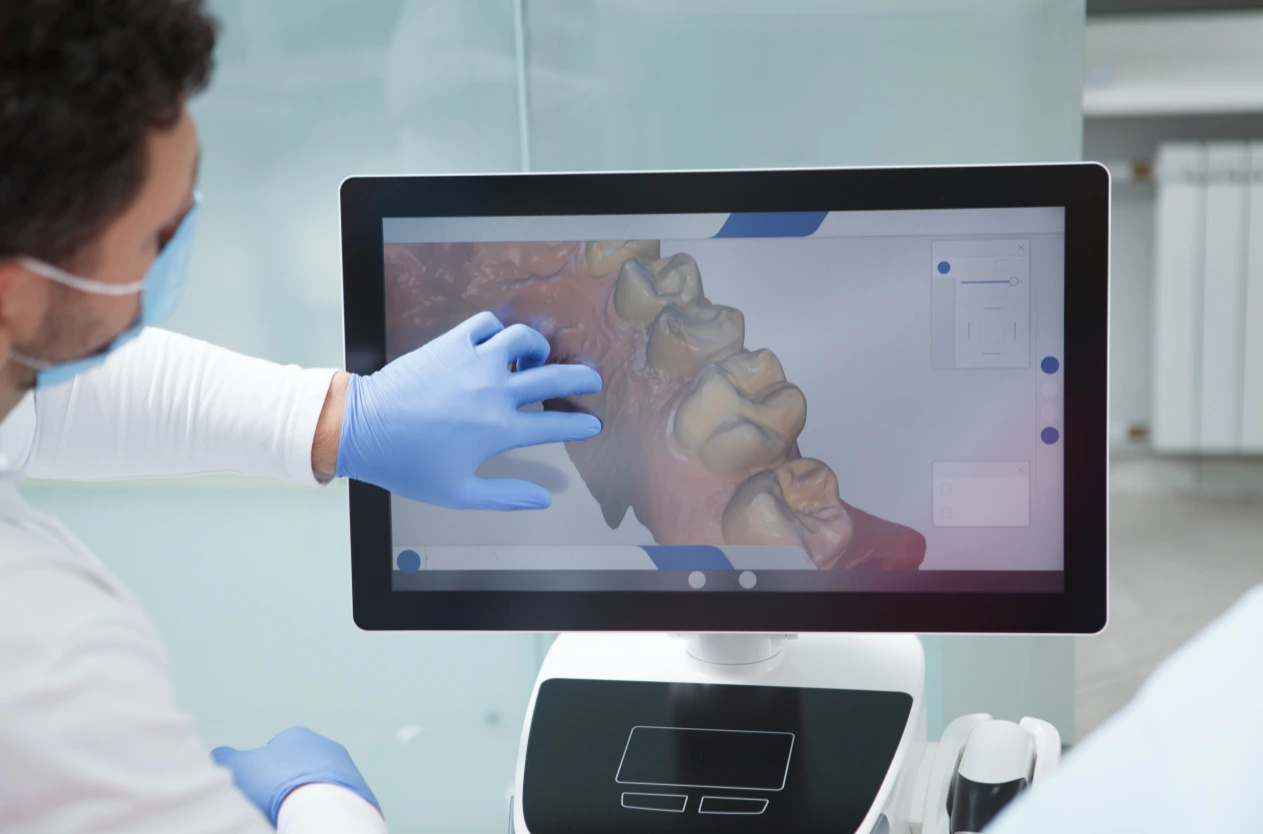
- A handheld camera captures a 3D digital scan in place of traditional impressions.
- Software designs the restoration to match the tooth’s shape, bite, and color.
- The restoration or supporting item is created in the office.
- The final piece is placed, and the fit and comfort are checked and adjusted.
Convenience of Completing Treatment in One Visit
Doing the digital steps in the office means fewer trips and less disruption to the week. Kenmar Dental describes same-day treatment as a way to get needed care without weeks of waiting. Fewer trips also help patients plan work and family time around the appointment.
Visit length depends on the treatment, and a single visit can last a few hours, so patients can plan the day in advance. Local anesthesia is commonly used for crown work, and most patients report minimal discomfort.
Care and Follow-Up After Same-Day Treatment
Written home-care instructions explain how to look after the treated area and keep it clean. Daily brushing and flossing remain the foundation, and regular checkups let the restoration be reviewed over time. Questions about healing are welcome at any visit.
The office also gives guidance on when to follow up. Patients who notice anything that feels loose or uncomfortable can reach out so the fit can be checked, and small adjustments are usually simple to make.
Digital Dentistry at Kenmar Dental
At Kenmar Dental, 123 Marble Mill Rd NW, Suite A in Marietta, we offer CEREC crowns and bridges, same-day treatment, dental implants, dentures, veneers, root canal therapy, and clear aligners, and we use digital X-rays, CBCT scanners, and 3D printing to plan each patient’s care.
Our team serves patients in Marietta, Acworth, and Kennesaw. Patients are welcome to ask us which parts of their treatment use the digital workflow, how long the visit may take, what follow-up looks like, and how the visit fits their schedule and daily routine.
Planning Same Day Dental Treatment in Marietta, GA
Digital scanning and 3D printing can bring planning and treatment closer together, and the approach depends on the procedure. Patients in Marietta can ask the team at Kenmar Dental how a digital workflow would fit their care and their schedule.
Frequently Asked Questions
Can 3D printing support same-day treatment?
Yes, printing can produce items such as models and guides during the visit, which keeps planning and treatment in one place. Whether it is used depends on the procedure, since crowns are typically milled.
What dental items can be produced from a digital scan?
A scan can guide the design of models, crowns, veneers, temporary restorations, and custom appliances such as nightguards. The method used, printing or milling, depends on the item and the material.
Does every restoration use 3D printing?
No. Each restoration uses the method that suits it, and many same-day crowns are milled from ceramic blocks. Printing is added where it improves the treatment, and the plan sets out which steps apply.
How does scanning connect with 3D printing?
The scan creates a precise digital model of the mouth, and the printer reads that file as its blueprint. This link removes the need for physical impressions in many cases and keeps every step consistent.
Can a printed model improve communication about a treatment plan?
A physical or on-screen model lets patients see the area being treated and follow the explanation. Reviewing it together helps questions come up early and keeps the plan clear for everyone involved.